
Table of Contents
ToggleInternet of things examples surround us every day, often without us even noticing. From the thermostat that learns your schedule to the fitness tracker on your wrist, IoT technology connects billions of devices worldwide. These smart, sensor-equipped tools collect data, communicate with each other, and make life more efficient. By 2030, experts predict over 29 billion IoT devices will be in use globally. This article explores real-world internet of things examples across homes, healthcare, industry, and cities. Each section highlights how connected devices solve problems and create new opportunities.
Key Takeaways
- Internet of things examples span smart homes, healthcare, manufacturing, and smart cities—with over 29 billion IoT devices expected by 2030.
- Smart home devices like thermostats, security cameras, and voice assistants offer convenience and can save homeowners up to 10% on energy costs.
- Healthcare IoT, including wearables and remote patient monitoring, helps track vital signs in real time and reduces unnecessary hospital visits.
- Industrial IoT enables predictive maintenance that can reduce equipment downtime by up to 50%, saving manufacturers millions in repair costs.
- Smart city IoT solutions—such as adaptive traffic signals and smart parking—cut travel delays by 25% and reduce waste collection costs by 20-30%.
Smart Home Devices
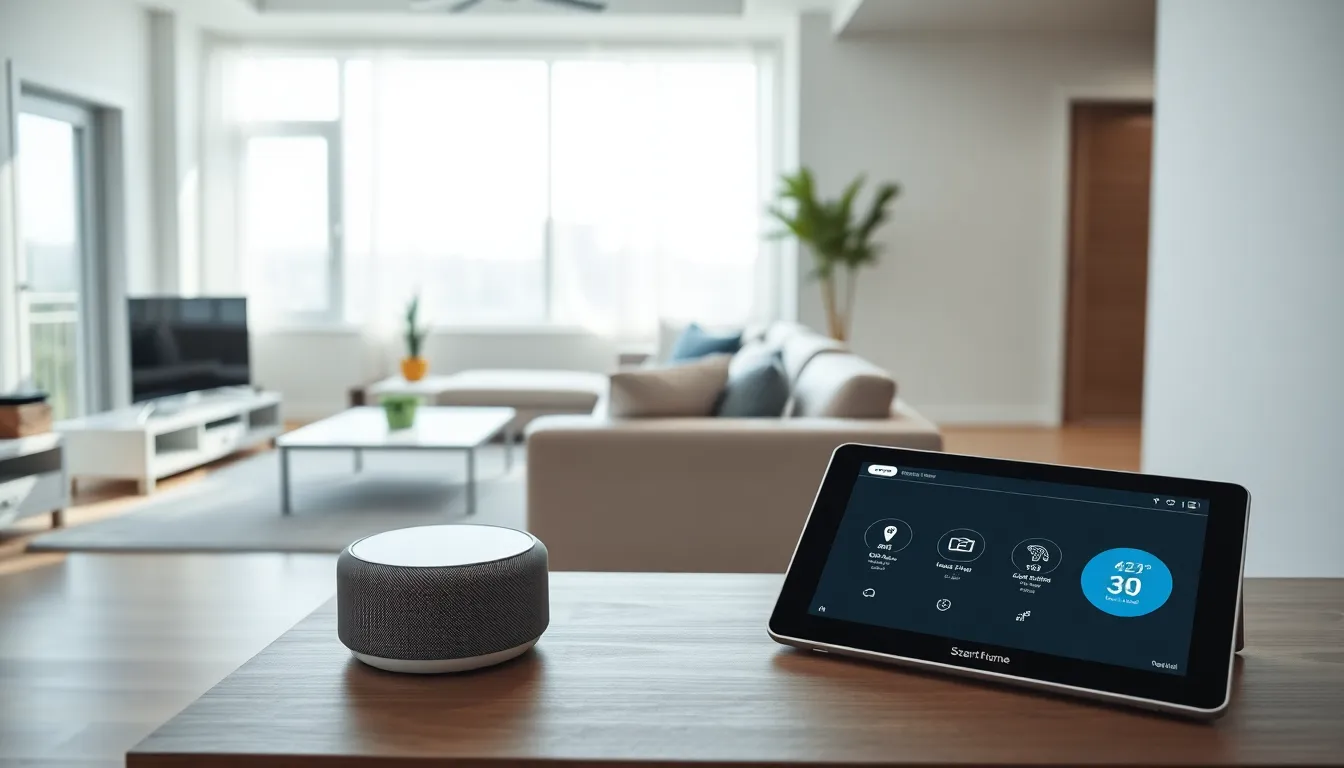
Smart home devices represent some of the most familiar internet of things examples for consumers. These products connect to home Wi-Fi networks and allow users to control lighting, temperature, security, and entertainment from smartphones or voice assistants.
Thermostats and Climate Control
Smart thermostats like the Nest Learning Thermostat and Ecobee adjust heating and cooling based on user behavior. They detect when residents leave and return home, reducing energy waste. According to the U.S. Department of Energy, programmable thermostats can save homeowners up to 10% on heating and cooling costs annually.
Security Systems and Cameras
Connected doorbells, cameras, and locks give homeowners remote access to their property. Ring doorbells send alerts when motion is detected. Smart locks allow entry without physical keys. These internet of things examples provide peace of mind and improve home security.
Voice Assistants and Hubs
Amazon Echo, Google Nest, and Apple HomePod act as central hubs for smart home ecosystems. Users issue voice commands to play music, check weather, set reminders, or control other IoT devices. Over 200 million smart speakers were sold worldwide in 2023 alone.
Lighting and Appliances
Philips Hue bulbs and similar products let users schedule lighting, change colors, and reduce energy use. Smart refrigerators track food inventory and expiration dates. Connected washing machines send notifications when cycles finish. These internet of things examples show how everyday appliances become more useful through connectivity.
Healthcare and Wearable Technology
Healthcare offers some of the most impactful internet of things examples. Connected devices help patients monitor conditions, allow doctors to track vital signs remotely, and improve treatment outcomes.
Fitness Trackers and Smartwatches
Devices like Fitbit, Apple Watch, and Garmin wearables track steps, heart rate, sleep patterns, and blood oxygen levels. Users receive insights about their health and activity. Many smartwatches now include ECG monitoring and fall detection features. The global wearables market reached $61 billion in 2023.
Remote Patient Monitoring
IoT-enabled medical devices allow healthcare providers to monitor patients outside clinical settings. Glucose monitors transmit blood sugar readings to doctors in real time. Blood pressure cuffs send daily measurements to care teams. These internet of things examples reduce hospital visits and catch health issues early.
Smart Medical Equipment
Hospitals use IoT technology to track equipment location, monitor refrigerator temperatures for vaccines, and manage inventory. Connected infusion pumps deliver precise medication doses and alert staff to problems. Asset tracking sensors prevent loss of expensive equipment.
Medication Management
Smart pill bottles remind patients to take medications and notify caregivers if doses are missed. Some dispensers automatically release the correct pills at scheduled times. These internet of things examples improve medication adherence, which remains a major healthcare challenge.
Industrial and Manufacturing Applications
The Industrial Internet of Things (IIoT) transforms factories, warehouses, and supply chains. These internet of things examples focus on efficiency, safety, and predictive maintenance.
Predictive Maintenance
Sensors attached to machinery monitor vibration, temperature, and performance. Algorithms analyze this data to predict when equipment will fail. Companies schedule repairs before breakdowns occur, reducing downtime by up to 50% according to McKinsey research. This approach saves manufacturers millions in repair costs.
Supply Chain Tracking
IoT sensors track shipments from factory to customer. GPS devices show real-time location. Temperature sensors ensure cold chain integrity for food and pharmaceuticals. RFID tags automate inventory counts. These internet of things examples provide visibility across global supply chains.
Quality Control
Connected cameras and sensors inspect products during manufacturing. They detect defects faster than human workers and maintain consistent quality standards. Machine learning algorithms improve accuracy over time as they process more data.
Worker Safety
Wearable devices monitor worker location in hazardous environments. Sensors detect gas leaks, extreme temperatures, or equipment malfunctions. Alert systems warn workers of danger immediately. These internet of things examples protect employees and help companies meet safety regulations.
Smart Cities and Transportation
Cities worldwide deploy internet of things examples to manage traffic, reduce pollution, and improve public services. Connected infrastructure makes urban areas more livable and efficient.
Traffic Management
Smart traffic lights adjust timing based on real-time vehicle flow. Sensors embedded in roads count cars and detect congestion. Cities like Los Angeles and Singapore use these systems to reduce commute times. Adaptive traffic signals can cut travel delays by 25%.
Public Transportation
Buses and trains equipped with GPS transmit location data to transit apps. Passengers check arrival times from their phones. Fleet managers optimize routes based on ridership patterns. These internet of things examples make public transit more reliable and user-friendly.
Environmental Monitoring
Air quality sensors measure pollution levels across urban areas. Water monitoring systems detect contamination in municipal supplies. Noise sensors identify problem areas for city planners. Barcelona and Amsterdam lead in deploying these internet of things examples for environmental protection.
Smart Parking
Sensors in parking spaces indicate availability through mobile apps. Drivers spend less time searching for spots, which reduces traffic and emissions. Some cities use dynamic pricing to manage demand in high-traffic areas.
Waste Management
Smart bins alert sanitation departments when they need emptying. This information optimizes collection routes and saves fuel. Cities report 20-30% reductions in waste collection costs after implementing IoT solutions.


