
Table of Contents
ToggleVirtual reality has moved from science fiction into everyday life. Millions of people now use VR headsets for gaming, training, education, and social connection. The technology creates computer-generated environments that users can explore and interact with as if they were physically present.
This guide explains how virtual reality works, the different types of systems available, and the real-world applications driving adoption. It also covers current challenges and what lies ahead for this rapidly growing technology.
Key Takeaways
- Virtual reality creates immersive 3D environments using headsets, motion tracking, and spatial audio to make users feel physically present in simulated spaces.
- Three main types of VR systems exist: standalone headsets for convenience, PC-tethered devices for maximum performance, and console VR for gamers.
- Beyond gaming, virtual reality is transforming healthcare, education, employee training, and real estate through practical applications.
- Current challenges include motion sickness, bulky hardware, limited battery life, and the need for more compelling content.
- The virtual reality market is projected to exceed $100 billion by 2030 as technology improves and prices become more accessible.
What Is Virtual Reality?
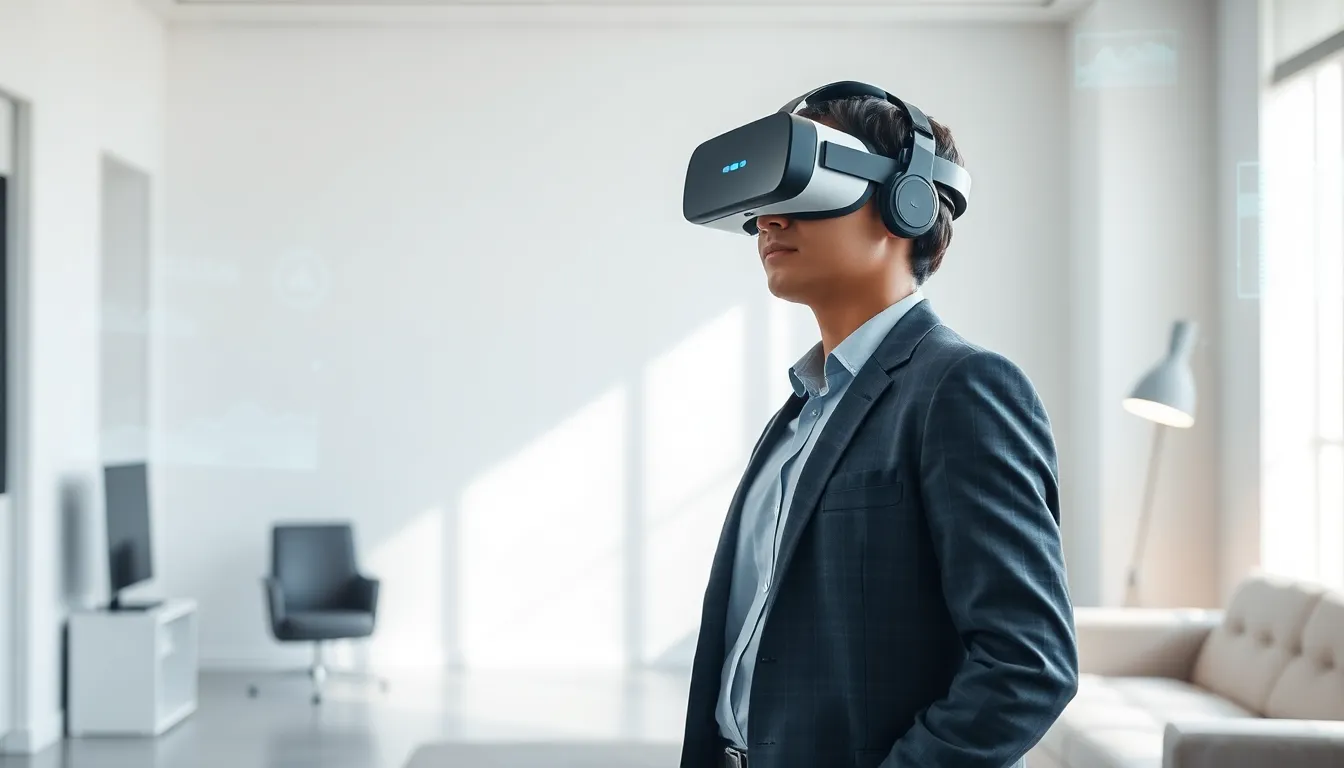
Virtual reality is a technology that places users inside a simulated three-dimensional environment. Users wear headsets that display stereoscopic images, creating depth perception similar to natural vision. Sensors track head movements and adjust the display in real time, making the experience feel immersive.
The term “virtual reality” dates back to the 1980s, though researchers experimented with similar concepts decades earlier. Today, VR refers specifically to fully immersive experiences where the real world is completely blocked out. This distinguishes it from augmented reality (AR), which overlays digital elements onto the physical environment.
A key feature of virtual reality is presence, the feeling of actually being somewhere else. Quality VR systems achieve this through high-resolution displays, wide fields of view, and low latency between user movement and visual response. When these elements work together, the brain accepts the virtual environment as real enough to trigger genuine emotional and physical responses.
How Virtual Reality Works
Virtual reality systems rely on several core technologies working together.
Display Technology
Modern VR headsets use LCD or OLED screens positioned close to the eyes. Fresnel lenses focus the image and create a wide field of view, typically between 90 and 120 degrees. Higher-end devices now offer resolutions exceeding 2000 x 2000 pixels per eye, reducing the “screen door effect” that plagued earlier headsets.
Motion Tracking
Tracking systems monitor user position and orientation. Inside-out tracking uses cameras on the headset itself to map the surrounding room. Outside-in tracking relies on external sensors placed around the play space. Six degrees of freedom (6DoF) tracking captures both rotational and positional movement, letting users walk around virtual spaces.
Input Devices
Controllers translate hand movements into virtual reality. Most systems include motion controllers with buttons, triggers, and joysticks. Advanced setups add hand tracking through cameras or gloves that detect individual finger positions. Some applications also support eye tracking for more natural interactions.
Audio
Spatial audio completes the immersion. Virtual reality systems use 3D sound processing to make audio appear to come from specific locations within the virtual environment. Headphones deliver different signals to each ear based on the user’s head position, creating convincing directional sound.
Types of Virtual Reality Systems
Virtual reality hardware falls into three main categories, each with distinct tradeoffs.
Standalone Headsets
Standalone VR devices contain all necessary hardware inside the headset. The Meta Quest 3 and Pico 4 are popular examples. These systems offer wireless freedom and easy setup, just put on the headset and start using it. Processing power is limited compared to PC-connected options, but modern standalone devices deliver impressive experiences at accessible price points.
PC-Tethered Headsets
PC VR headsets connect to powerful computers via cable or wireless link. The Valve Index, HTC Vive Pro, and various Windows Mixed Reality devices fall into this category. They offer higher graphical fidelity and more demanding applications. The downside is cost, users need both the headset and a capable gaming PC.
Console VR
Sony’s PlayStation VR2 represents the console approach to virtual reality. It connects to the PlayStation 5 and provides high-quality VR without a separate PC. This option balances performance and convenience for gamers already invested in the PlayStation ecosystem.
Each type of virtual reality system serves different needs. Casual users often prefer standalone convenience. Enthusiasts and professionals typically choose PC-connected hardware for maximum capability.
Practical Applications of VR Today
Virtual reality has moved far beyond gaming, though entertainment remains a major driver.
Gaming and Entertainment
VR gaming generates billions in revenue annually. Titles like Beat Saber, Half-Life: Alyx, and Resident Evil 4 VR demonstrate what the medium can achieve. Virtual reality also powers immersive films, concerts, and social platforms like VRChat where millions gather daily.
Training and Simulation
Companies use VR to train employees in safe, controlled environments. Surgeons practice procedures without risk to patients. Pilots log flight hours in simulators. Walmart trained over one million employees using virtual reality modules covering everything from customer service to active shooter response.
Healthcare
Virtual reality treats phobias through controlled exposure therapy. Patients with chronic pain report relief during VR sessions. Physical rehabilitation programs use VR games to make exercises engaging. Mental health applications help people manage anxiety and PTSD symptoms.
Education
Students explore ancient Rome, walk through the human body, or conduct chemistry experiments in virtual laboratories. Medical schools use VR for anatomy lessons. These applications make abstract concepts tangible and memorable.
Real Estate and Architecture
Buyers tour properties remotely through virtual reality. Architects and clients walk through buildings before construction begins. This saves time and catches design issues early.
Challenges and Future of Virtual Reality
Even though progress, virtual reality faces several obstacles.
Technical Limitations
Motion sickness affects some users, especially during locomotion in virtual spaces. Current headsets remain bulky compared to regular glasses. Battery life on standalone devices limits session length. These issues improve with each hardware generation, but they still restrict mainstream adoption.
Content and Cost
VR needs more compelling content to attract wider audiences. Development costs exceed traditional games and applications. The installed user base, while growing, doesn’t yet justify blockbuster budgets for many studios.
Social Concerns
Extended time in virtual reality raises questions about isolation and addiction. Harassment in social VR platforms presents moderation challenges. Privacy concerns exist around the detailed data these systems collect about users’ movements and environments.
What’s Coming Next
The future looks promising. Apple’s Vision Pro signals major tech companies see opportunity in spatial computing. Display technology continues improving, smaller, lighter headsets with better resolution are in development. Eye tracking and foveated rendering will make graphics more realistic while reducing hardware demands.
Haptic feedback is advancing rapidly. Future systems may let users feel textures and resistance in virtual environments. Full body tracking will make avatars mirror real movements more accurately.
Experts project the virtual reality market will exceed $100 billion by 2030. As prices drop and content libraries grow, VR will likely become as common as smartphones are today.


